Precision Leveling

Precision Leveling

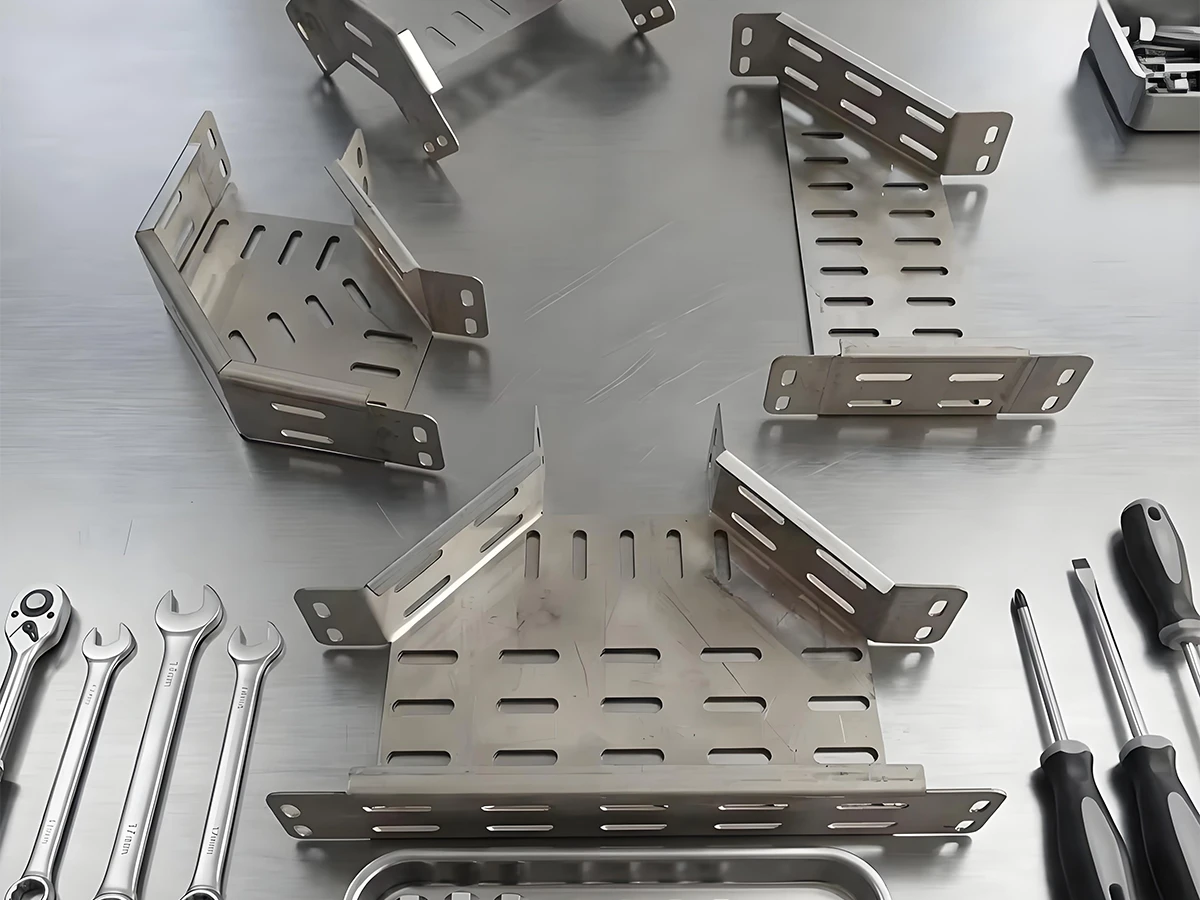
Precision Leveling is a high-precision metal sheet straightening process. It uses professional equipment to straighten deformed sheets after stamping, cutting and bending, restore flatness and ensure subsequent processing precision. We are equipped with industrial-grade leveling machines, which can process various materials such as stainless steel and carbon steel, adapt to sheets of different thicknesses, and provide stable and efficient supporting services for global customers.
yunde TEAM

What is Precision Leveling and Its Process Logic and Flow

Precision Leveling is based on the principle of material plastic deformation. It applies uniform and controllable pressure to deformed sheets through the upper and lower rolls of the leveling machine to produce reverse plastic deformation, offset the original deformation and meet the specified flatness.

The whole process is automated with precise control of pressure and speed, and the flow is divided into 5 steps:

① Set leveling parameters;
② Sheet loading and positioning;
③ Roll rolling straightening;
④ Real-time precision detection;
⑤ Qualified unloading into subsequent processes.
Core Advantages of Precision Leveling

Compared with traditional leveling, precision leveling has 5 core advantages:

①High precision: Flatness error is controlled within 0.01mm-0.05mm, meeting the requirements of precision processing;
②Automation: The CNC system controls the whole process, reducing human errors and improving efficiency;
③Strong adaptability: Compatible with 0.1mm-10mm thick sheets, adapting to various materials and deformations;
④Good stability: Strong consistency in batch leveling, improving the subsequent yield rate;
⑤ Small damage: Flexible leveling, protecting the sheet surface from scratches and indentations.

Our Precision Leveling Machine: Core Technical Parameters

We are equipped with multiple advanced industrial-grade precision leveling machines with complete models, which can adapt to different processing needs. The core parameters are as follows (customizable on demand):
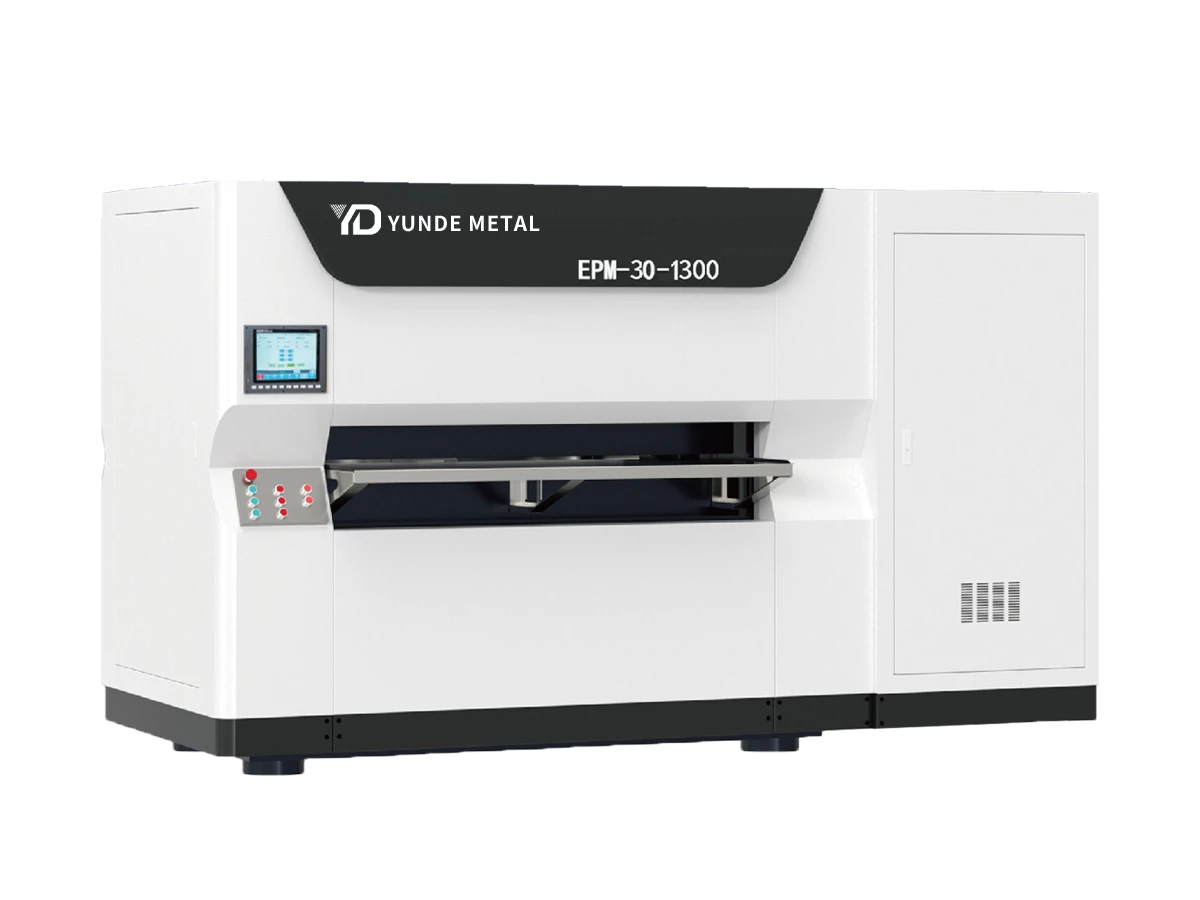
Plate parts leveling machine EPM 30
Green energy-saving intelligent production is suitable for mesh plate, sheet, stamping parts, laser parts leveling accuracy
Machine tool type EPM 30-1300
Workpiece thickness (mm) 0.3-4.0
Maximum leveling width (mm) 1300
Minimum length of workpiece (mm) 75
Leveling speed (m/min) 3-20
Leveling roller quick change device Standard
Numerical control adjustment Standard
CE-Certification Standard
Machine size (mm) (L x W x H) 1,400 x 2,700 x 1,500
Machine weight (kg) 6,000
Plate parts leveling machine EPM 40
Green energy-saving intelligent production is suitable for mesh plate, sheet, stamping parts, laser parts leveling accuracy
Machine tool type EPM 40-1600
Workpiece thickness (mm) 0.3-5.0
Maximum leveling width (mm) 1600
Minimum length of workpiece (mm) 100
Leveling speed (m/min) 3-20
Leveling roller quick change device Standard
Numerical control adjustment Standard
CE-Certification Standard
Machine size (mm) (L x W x H) 1,700 x 3,300 x 1,800
Machine weight (kg) 7,200
Plate parts leveling machine EPM 60
Green energy-saving intelligent production is suitable for mesh plate, sheet, stamping parts, laser parts leveling accuracy
Machine tool type HPM 60-1600
Workpiece thickness (mm) 1.0-12.0
Maximum leveling width (mm) 1600
Minimum length of workpiece (mm) 150
Leveling roller quick change device Standard
Pressure adjustment Hydraulic type
Servo hydraulic normal clearance Standard
control system Standard
Overload protection Multi-touch display
Operation panel Standard
CE-Certification 2,500 x 3,900 x 2,240
Machine size (mm) (L x W x H) 16,500

Industrial Application Fields of Precision Leveling

As a key metal processing process, precision leveling is widely used in many fields, fitting the company's core product lines, including:

① Precision stamping: Leveling before and after processing to ensure precision and size consistency;
② Laser cutting/bending: Restoring flatness after straightening to facilitate subsequent assembly and welding;
③ Architectural decoration: Ensuring flat and beautiful decorative panels and curtain walls;
④ Industrial manufacturing: Guaranteeing the assembly precision and stability of parts;
⑤ High-precision manufacturing: Meeting high-end needs such as aerospace and medical equipment.

CNC-Bending
CNC-Bending